Global Coffee Traditions
Traditional brewing methods explained on their own terms and then through extraction science — why ultra-fine unfiltered grinds, phin drippers, and sweetened condensed milk produce the textures they do. Respectful cultural context first (origin, ritual, how it is actually served), then a practical home method with grind, ratio, and heat guidance so the result tastes like the real thing rather than an approximation.

Do You Add Milk to Turkish Coffee? Usually, No—Here's Why
Do you add milk to Turkish coffee? Usually not. Learn what milk changes, three ways to use it, and a reliable 5–7 g water-based cezve recipe for home
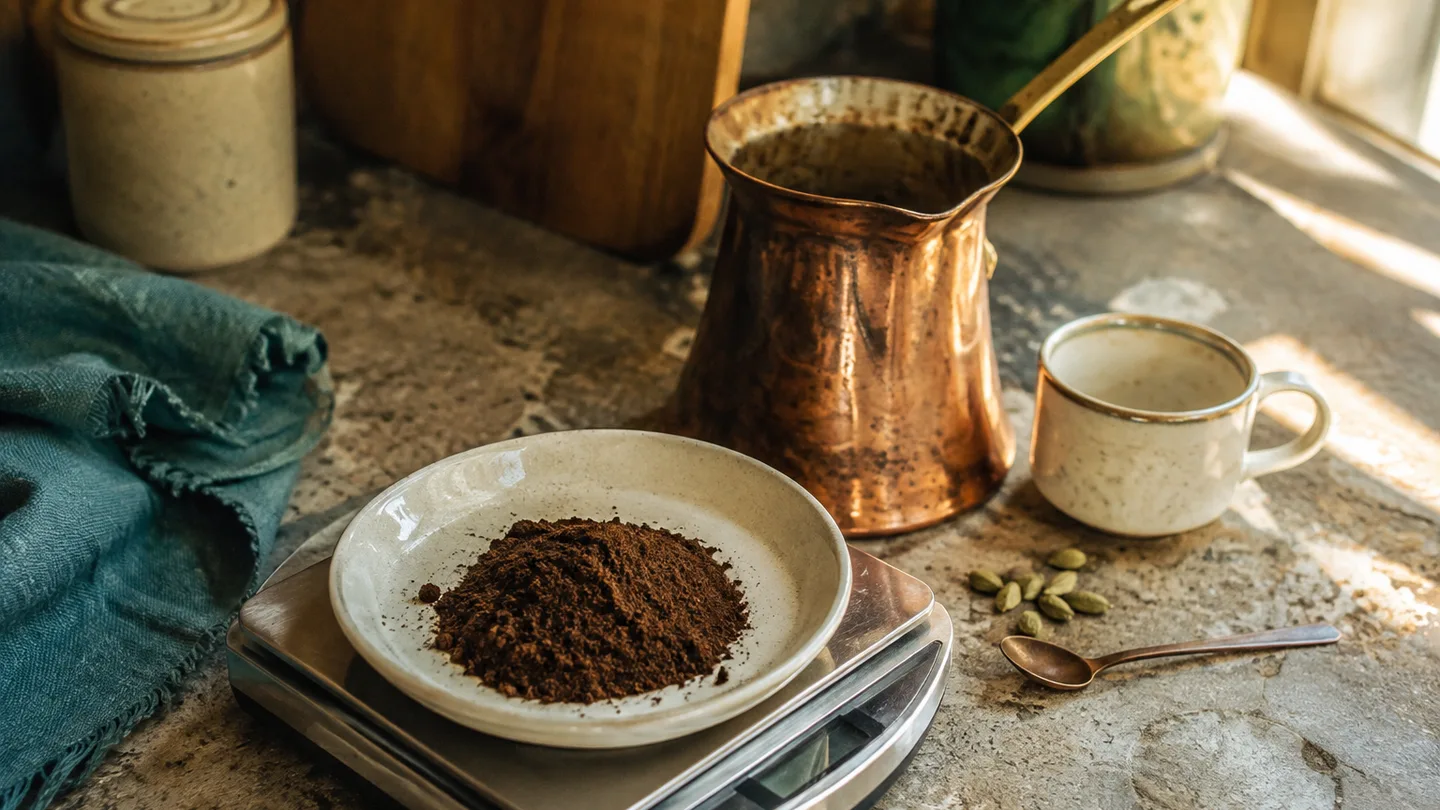
Turkish Coffee: The Fine Grind, Ratio, and Heat Explained
Learn why Turkish coffee needs a powder-fine grind, a 1:8–1:10 ratio, and gentle heat, with a repeatable cezve recipe and troubleshooting guide.
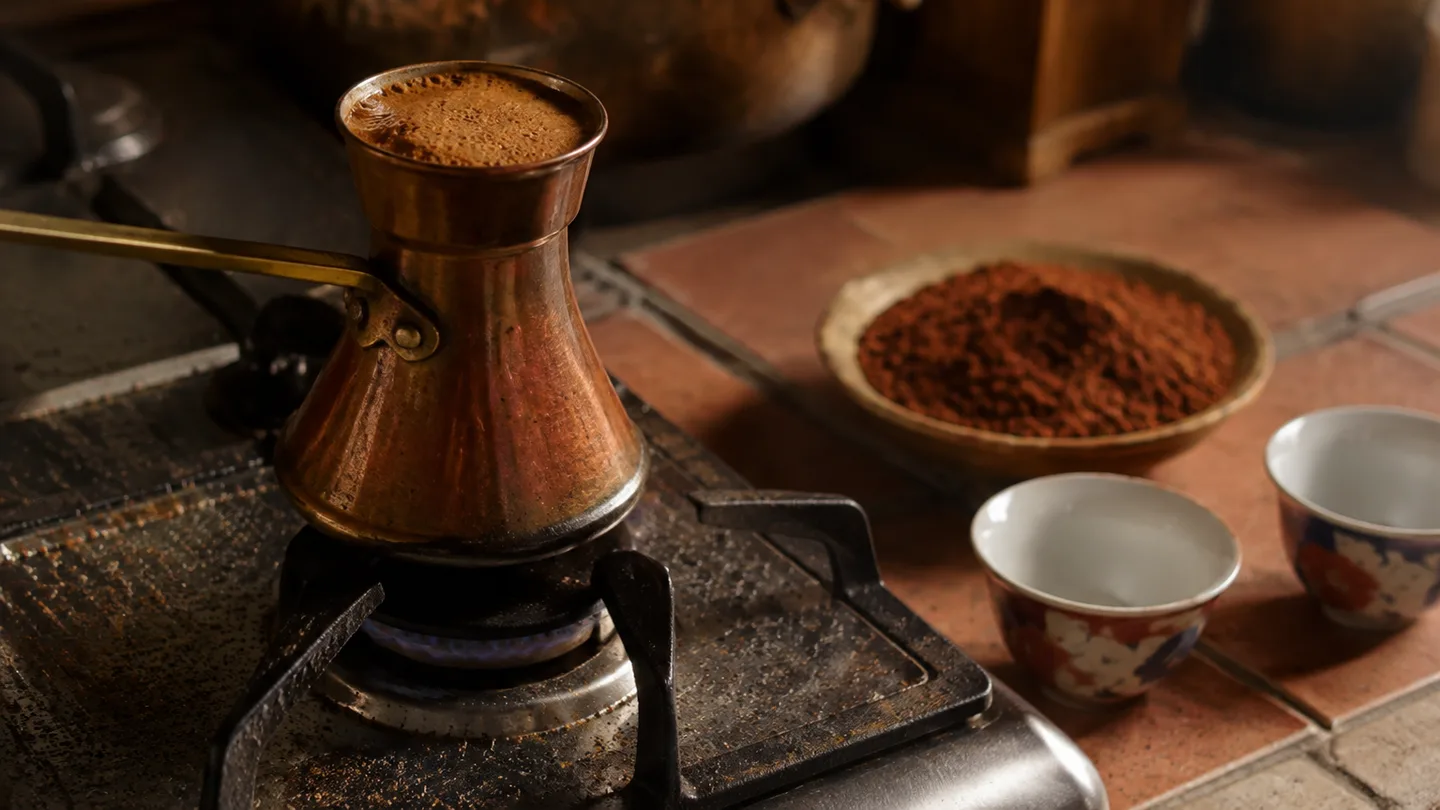
Turkish Coffee Pot Guide: Cezve Size, Heat, and Foam
Choose a Turkish coffee pot by volume, neck shape, heat response, and foam control. This practical cezve guide covers size, ratios, materials, and pou
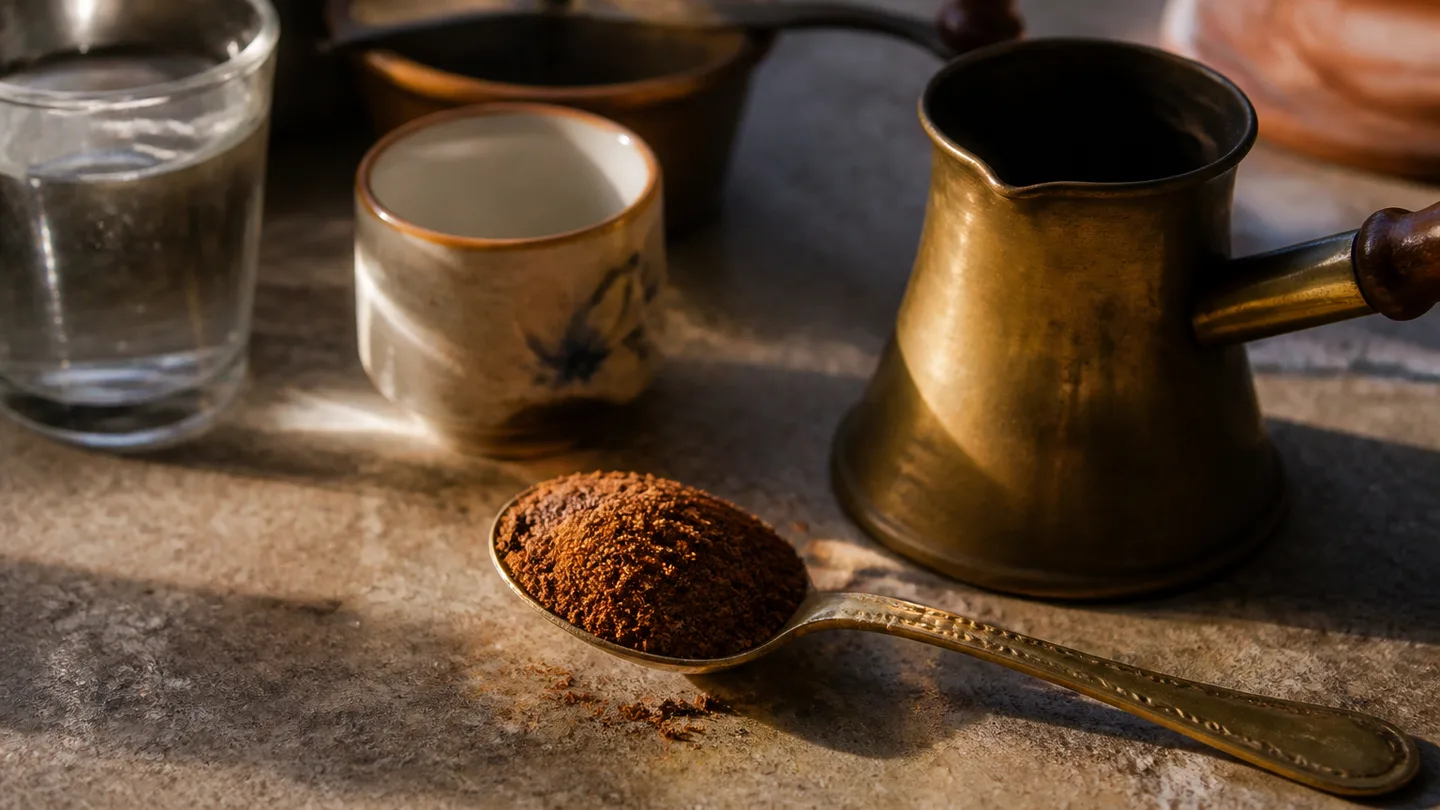
Turkish Coffee Recipe: Why the Grind Must Be Powder-Fine
A reliable Turkish coffee recipe with a 1:9–1:11 ratio, powder-fine grind test, low-heat method, foam cues, and fixes for weak, gritty, or bitter cups

Turkish Coffee in Sand: Why the Sand Changes the Brew
Turkish coffee in sand changes the heating curve, foam, and extraction—not the ingredients. Learn the setup, timing, ratio, and fixes for a more repea
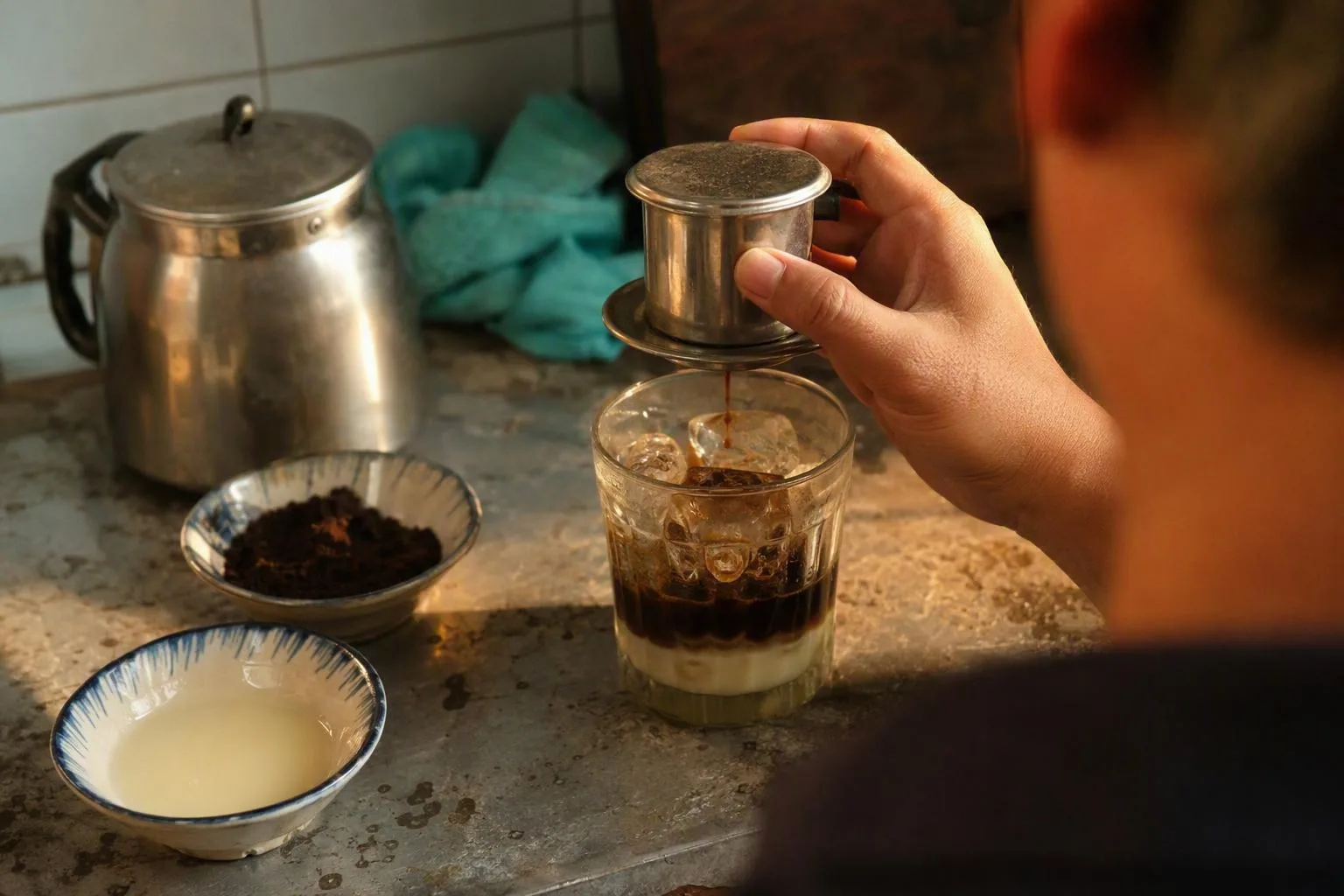
Vietnamese Iced Coffee: The Phin Ratio That Works at Home
Make Vietnamese iced coffee at home with a dependable phin ratio, grind, bloom, drip time, condensed milk, ice, and fixes for thin or bitter coffee.