Beans, Roasting & Tasting
The upstream half of the cup: what roast development does to solubility and acidity, how to run a first roast at home safely and repeatably, how to build a tasting vocabulary with a repeatable cupping protocol, and how storage decides how much of that survives to the brewer — degassing, oxygen, moisture, and whether freezing actually helps.
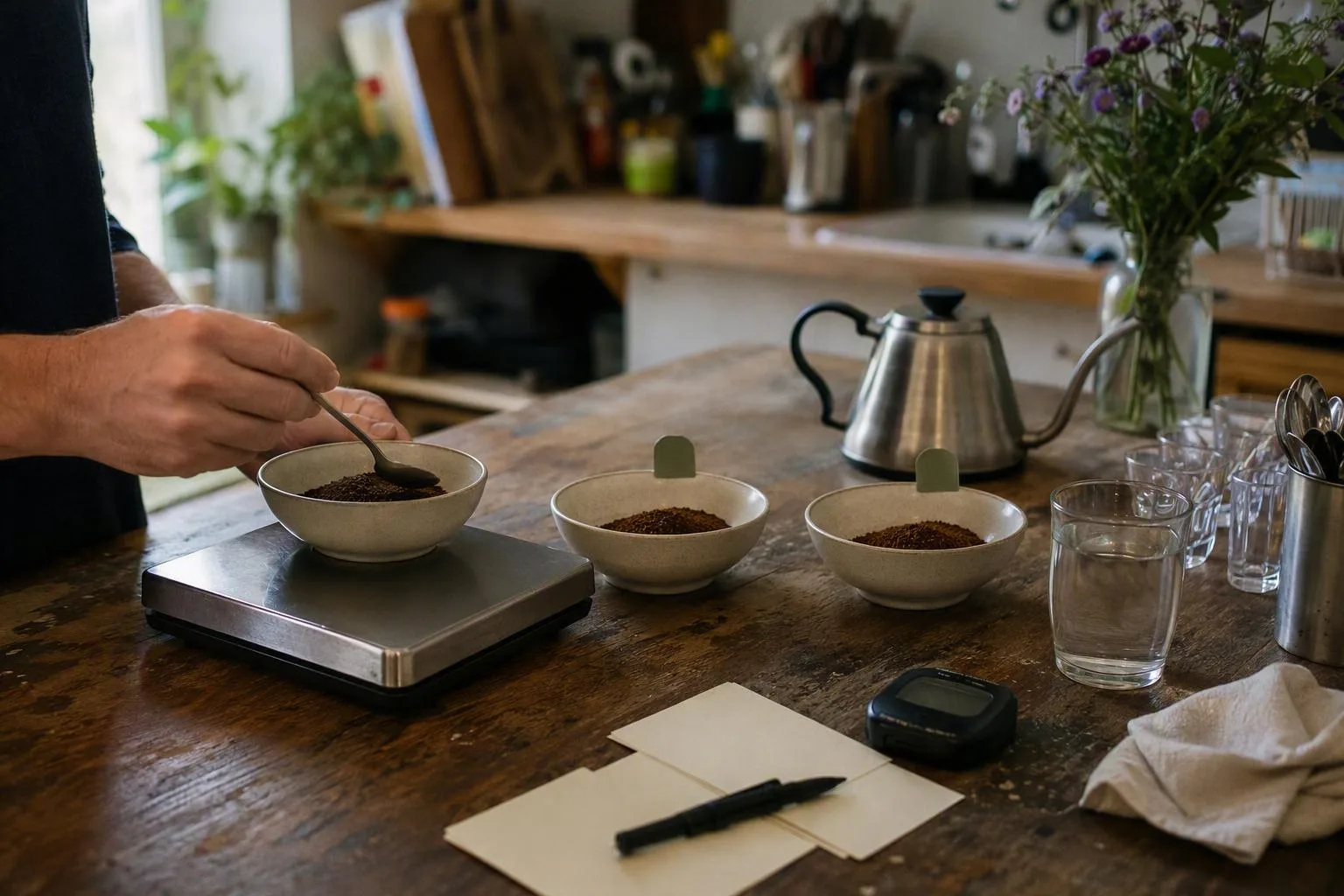
Coffee Cupping: A 10-Minute Protocol for Comparing Beans
Use 8.25 g of coffee, 150 g of water, and a timed 10-minute cupping protocol to compare beans fairly, diagnose flaws, and choose a brew use with confi
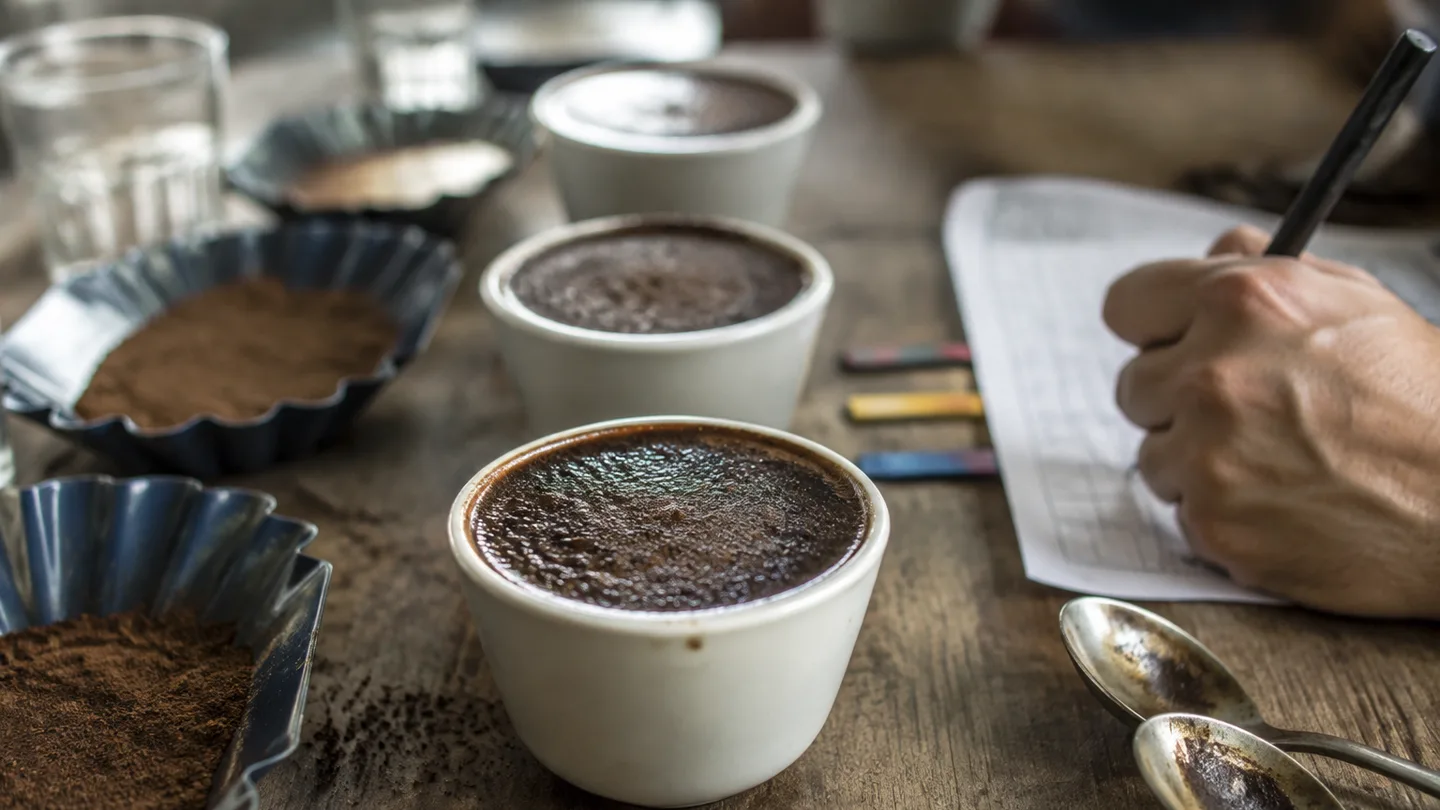
Coffee Cupping Chart: 36 Tasting Notes to Use at Home
Use this coffee cupping chart with 36 practical tasting notes, a repeatable home recipe, cooling timeline, and fault checks for better descriptions.
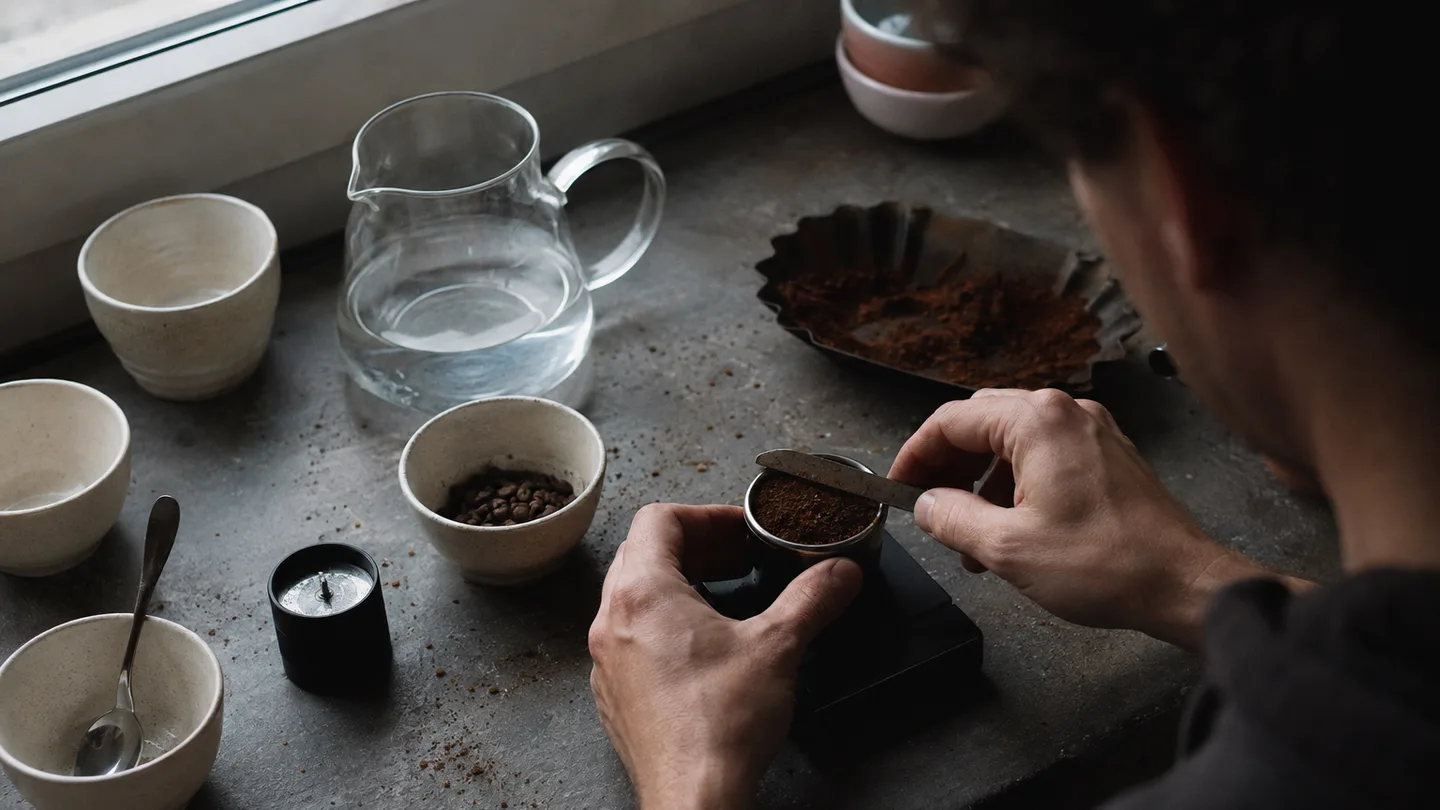
Coffee Cupping Ratio: 8.25 g per 150 ml, Explained
Learn why the coffee cupping ratio uses 8.25 g per 150 ml, how to scale it, and how grind, heat, and contact time change repeatable home tastings.
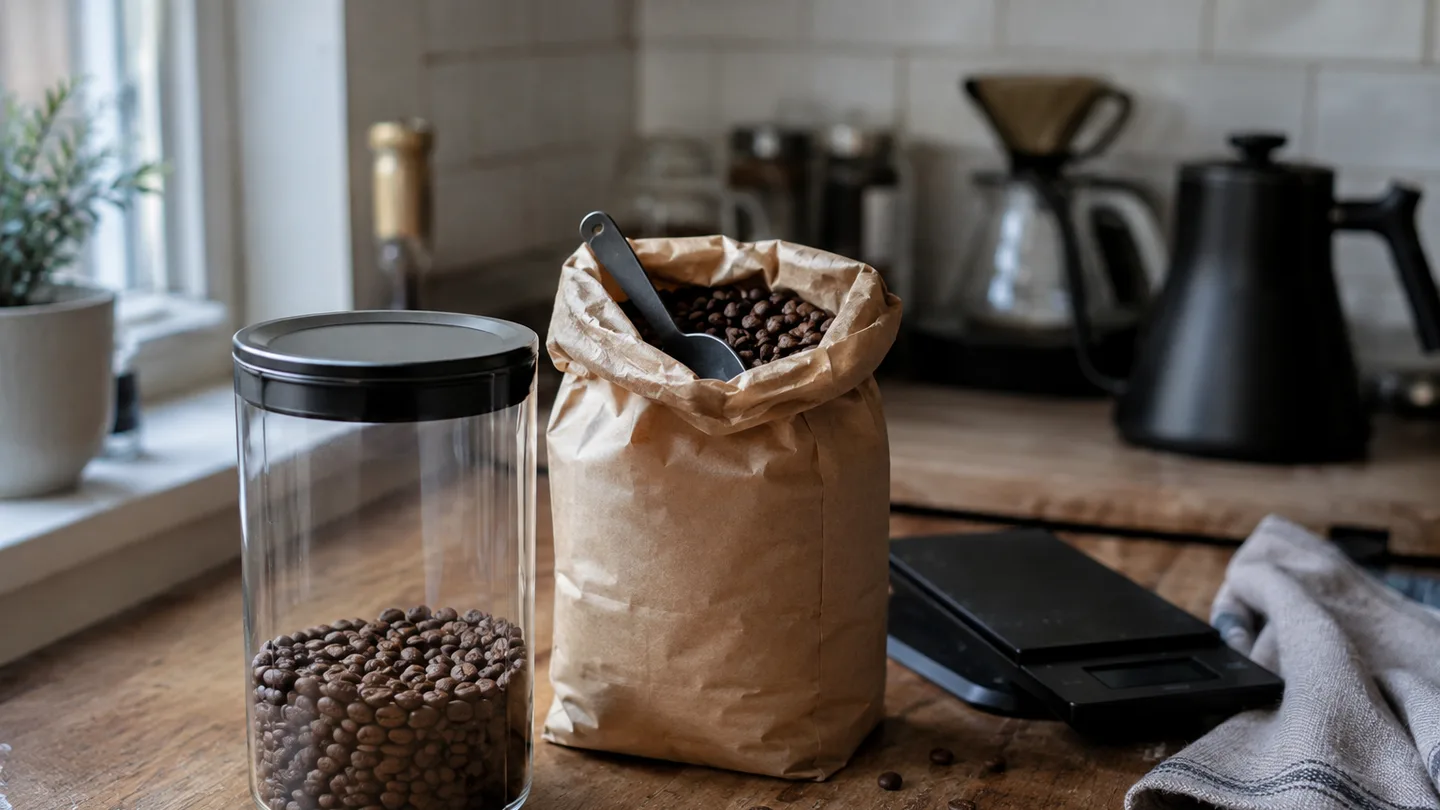
How to Store Coffee Beans Without Stale, Flat Flavour
Learn how to store coffee beans without flat flavour: choose the right container, avoid heat and moisture, manage degassing, and freeze surplus safely
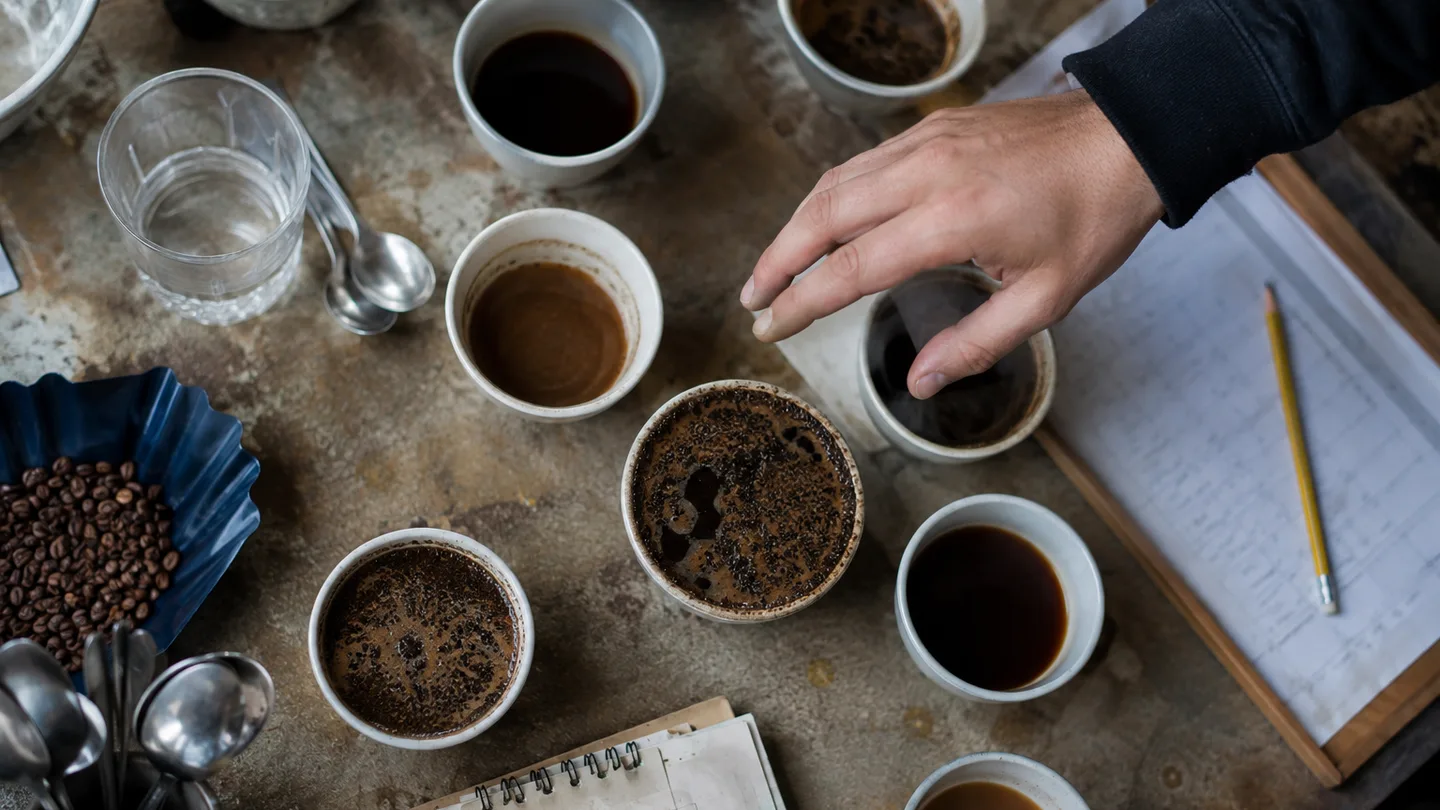
What Is a Good Coffee Cupping Score? 80+ Is Usually Good
What is a good coffee cupping score? Learn why 80+ is usually good, what 85 and 90 signal, and how to compare published scores with your own palate.
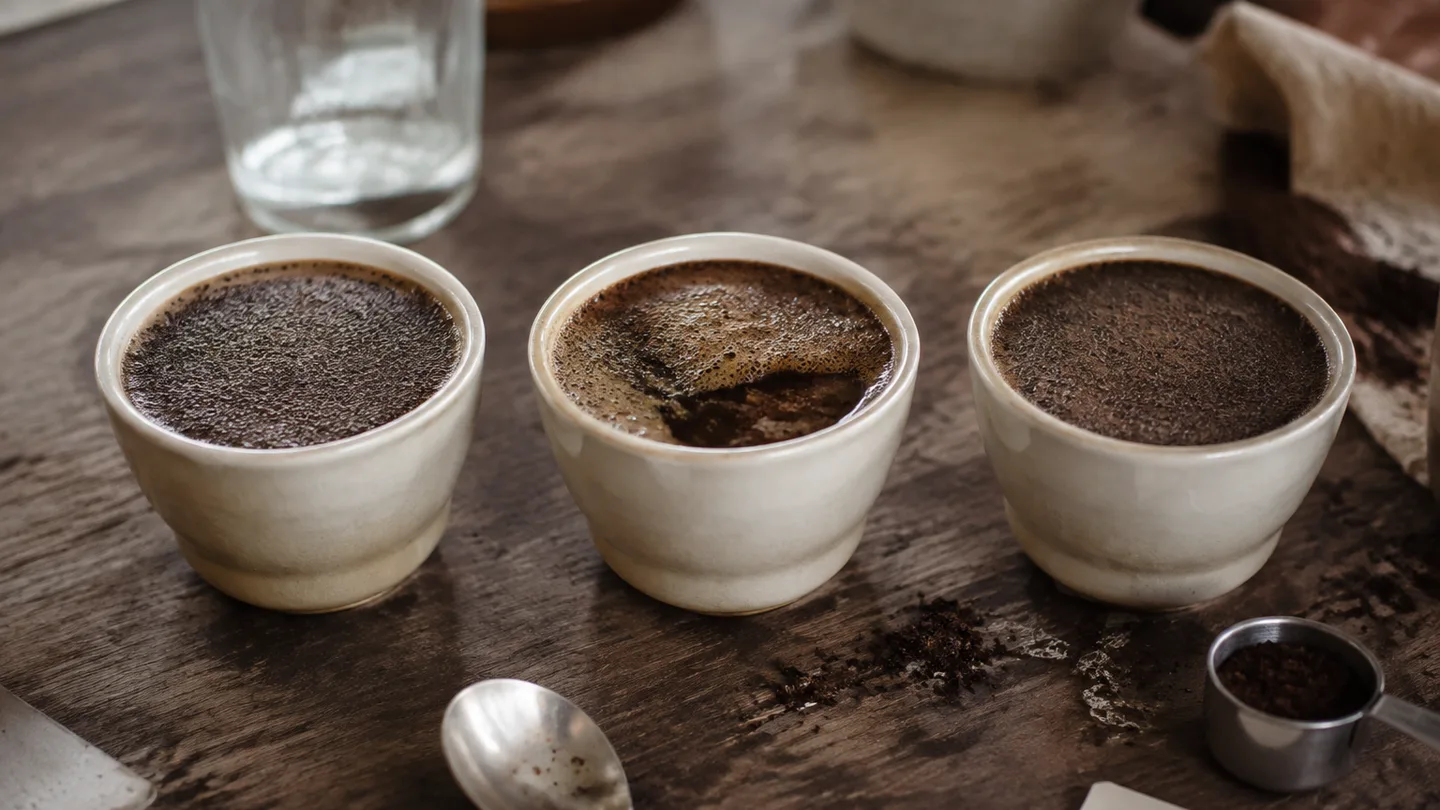
What Is the Purpose of Coffee Cupping? The Short Answer
What is the purpose of coffee cupping? Learn how a controlled bowl comparison separates bean quality from brewing technique, with a home test you can
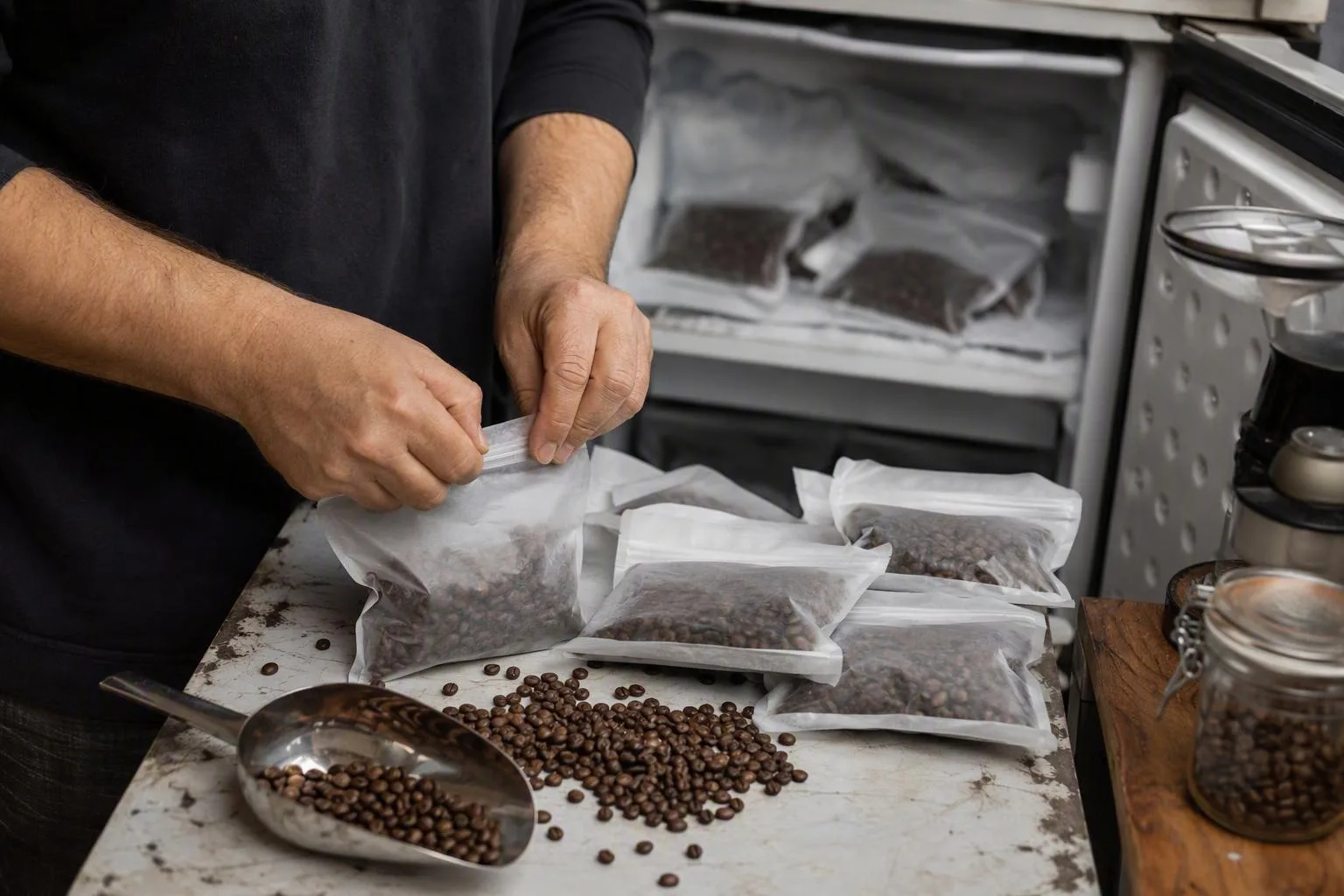
Can You Freeze Coffee Beans? Yes—Here’s How to Do It Right
Can you freeze coffee beans? Yes—learn when freezing helps, how to portion and seal beans, when to thaw them, and how to avoid condensation.