Manual Brew Methods & Ratios
The core how-and-why engine of the site: each immersion or percolation method taught as a set of controllable variables — dose, brew ratio, grind size, water temperature, agitation, contact time. Articles show what changes in the cup when one variable moves, pair with the brew-ratio and water calculators, and treat head-to-head method questions as extraction problems (flow-rate vs. steeping, filter vs. mesh) rather than taste opinions.
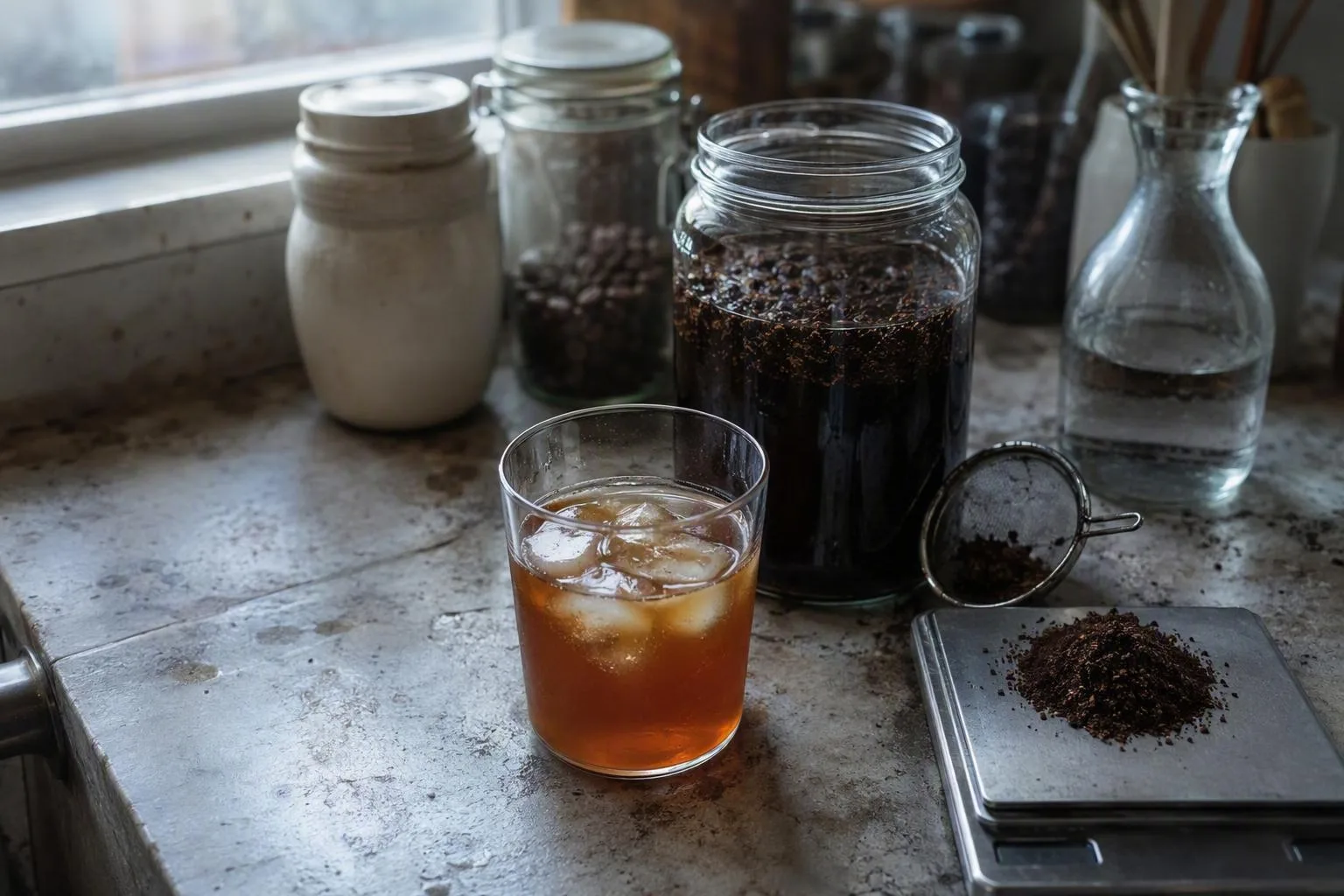
Cold Brew Coffee Ratio: 1:8 or 1:5 for Your Batch?
Choose 1:8 for ready-to-drink cold brew and 1:5 for concentrate. Use mass, dilution math, and a split-batch test to find your ratio with less guesswor
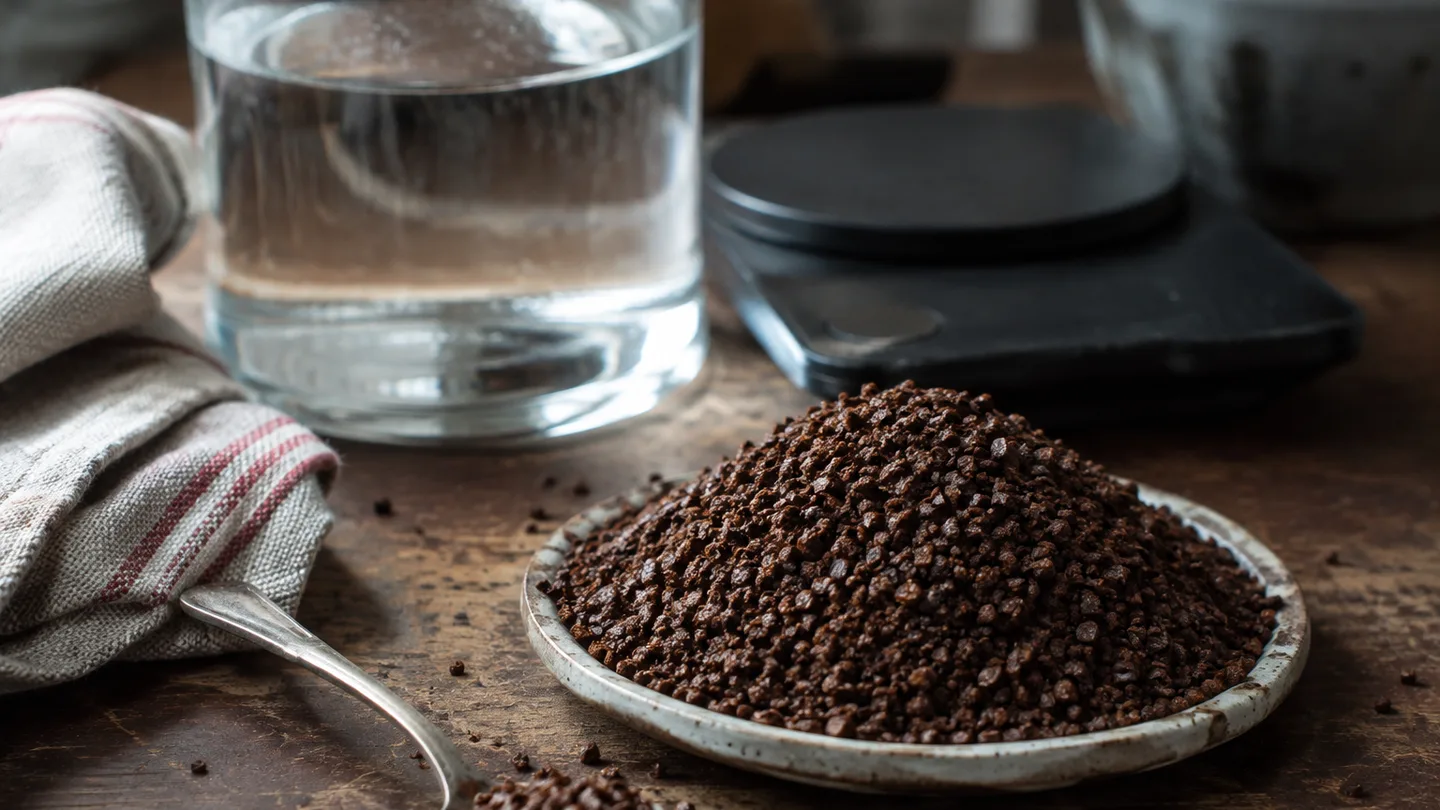
Cold Brew Coffee Grounds: How Coarse Should You Grind?
Learn how coarse cold brew coffee grounds should be, why particle spread matters, and how to fix sour, bitter, or muddy batches one variable at a time
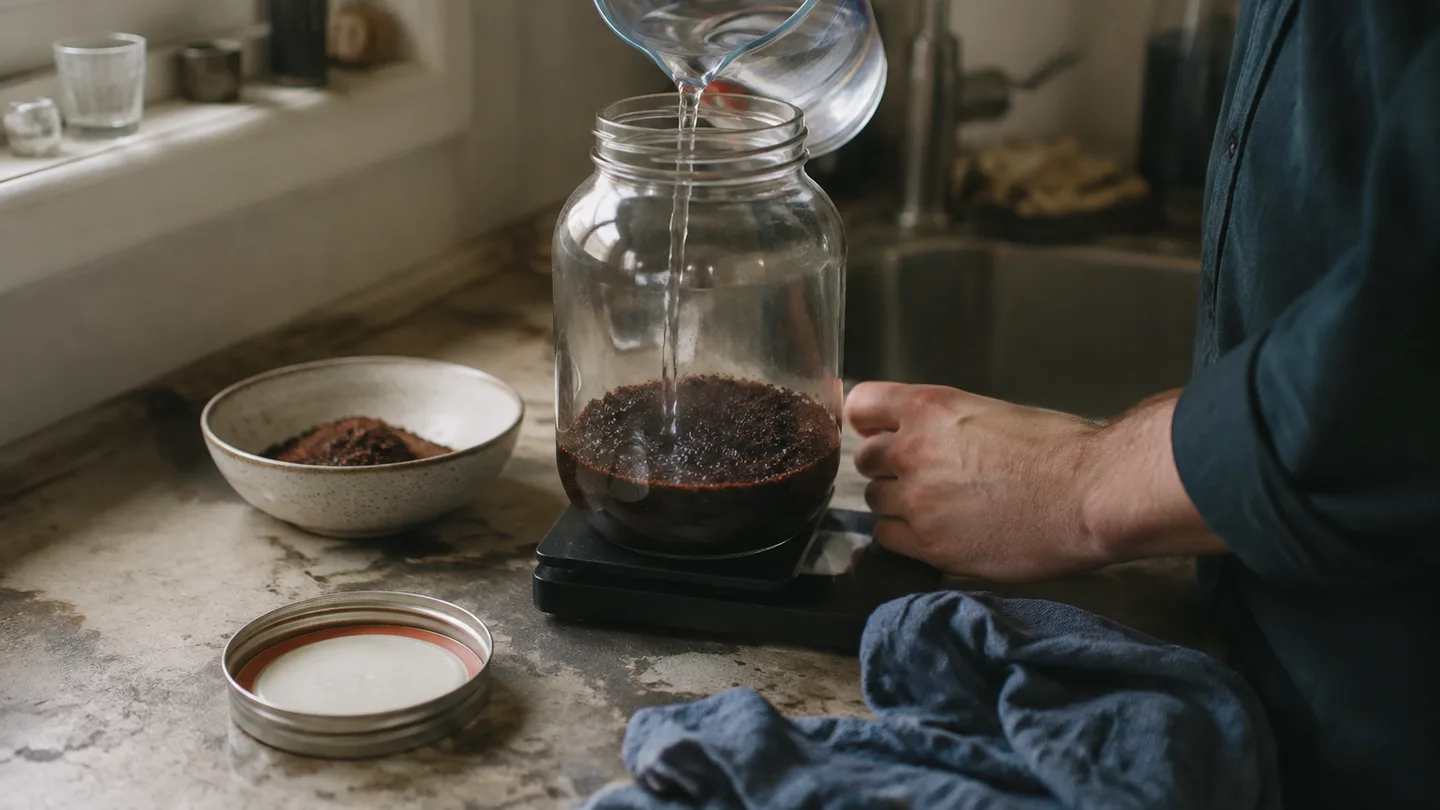
Cold Brew Coffee How to Make: A Simple 12-Hour Recipe
Learn how to make cold brew coffee in 12 hours with a 1:8 ratio, coarse grind, simple jar method, clean filtration, storage and dilution math.
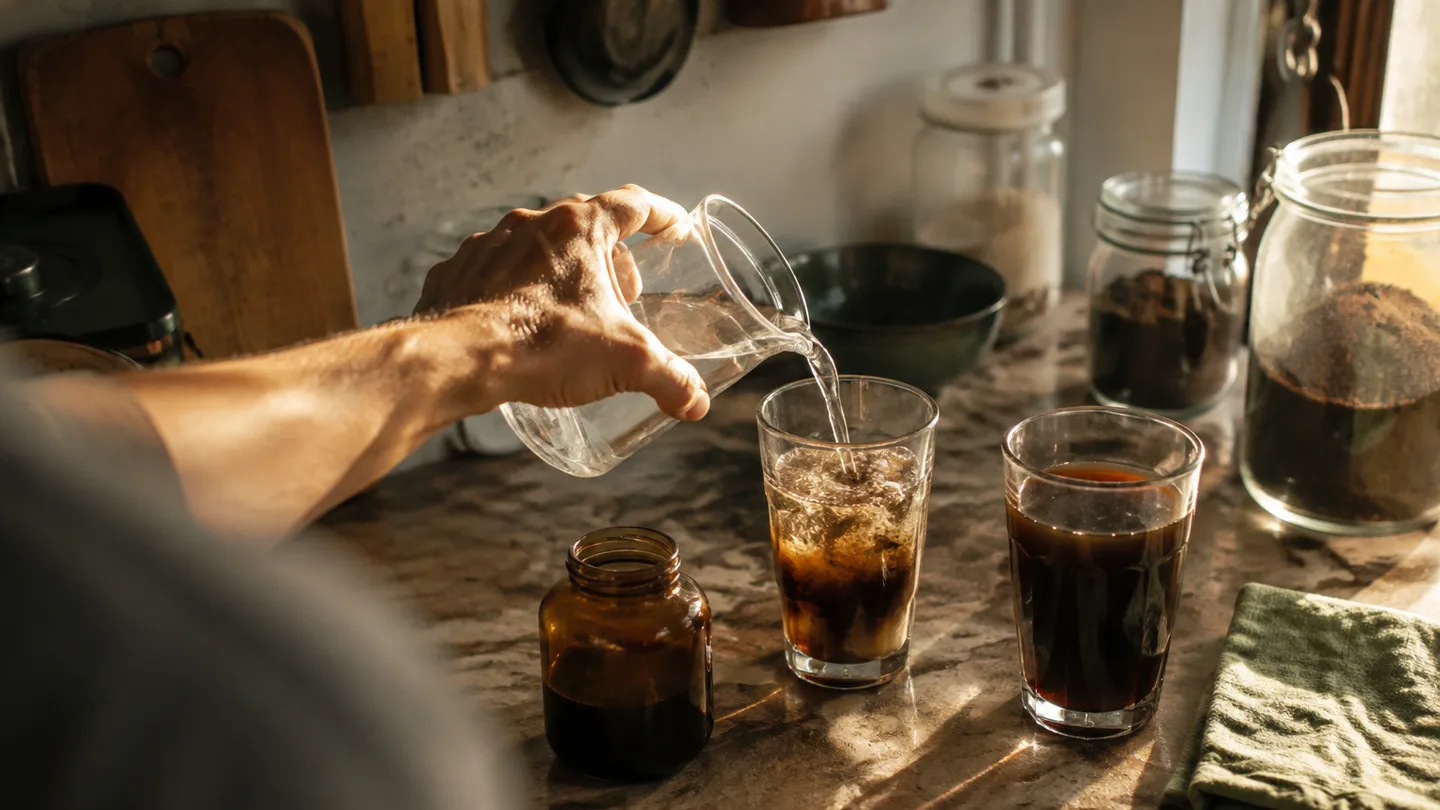
Cold Brew Coffee Ratio Explained: 1:4 vs 1:8 vs 1:10
Compare 1:4, 1:8, and 1:10 cold brew coffee ratios with gram-based recipes, dilution math, extraction logic, and a 16-hour starting method.
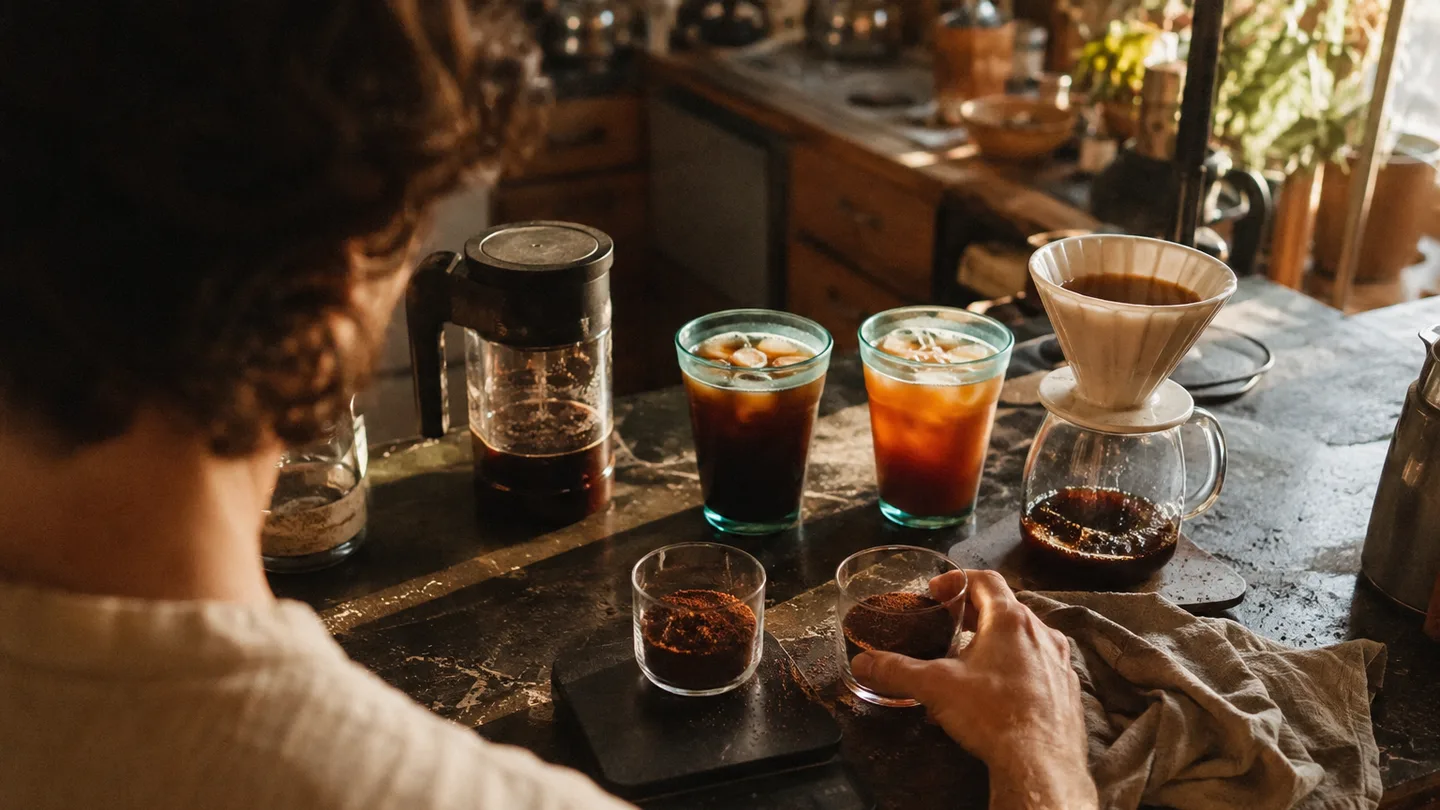
Cold Brew Coffee vs Iced Coffee: Which Should You Pick?
Cold brew coffee vs iced coffee explained by time, ratio, aroma, acidity, caffeine, and dilution, with a practical test and troubleshooting guide.
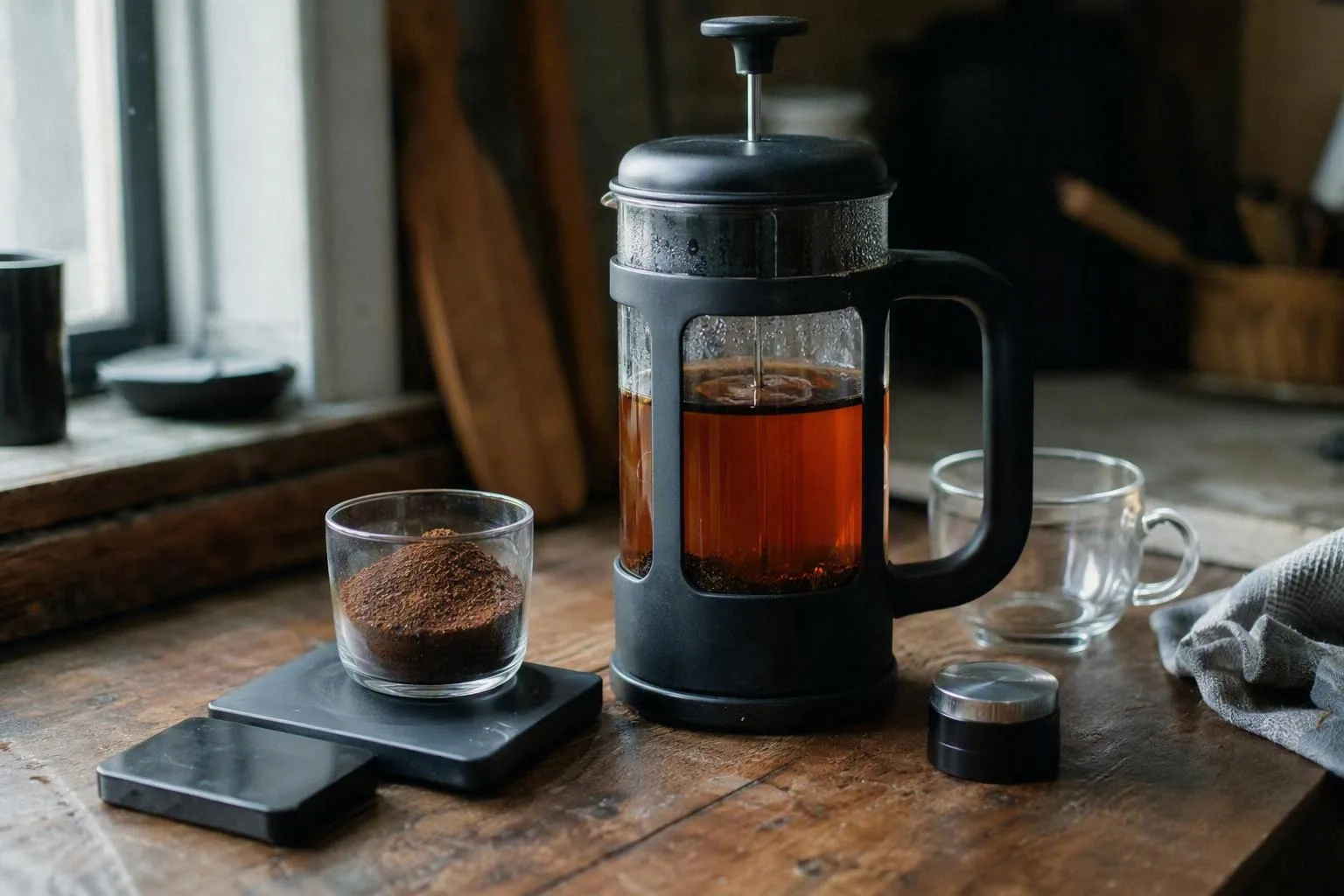
French Press Coffee: The 1:15 Ratio for a Cleaner Cup
Make cleaner French press coffee with a 1:15 ratio: 30 g coffee, 450 g water, a four-minute steep, gentler plunging, and practical fixes tonight.
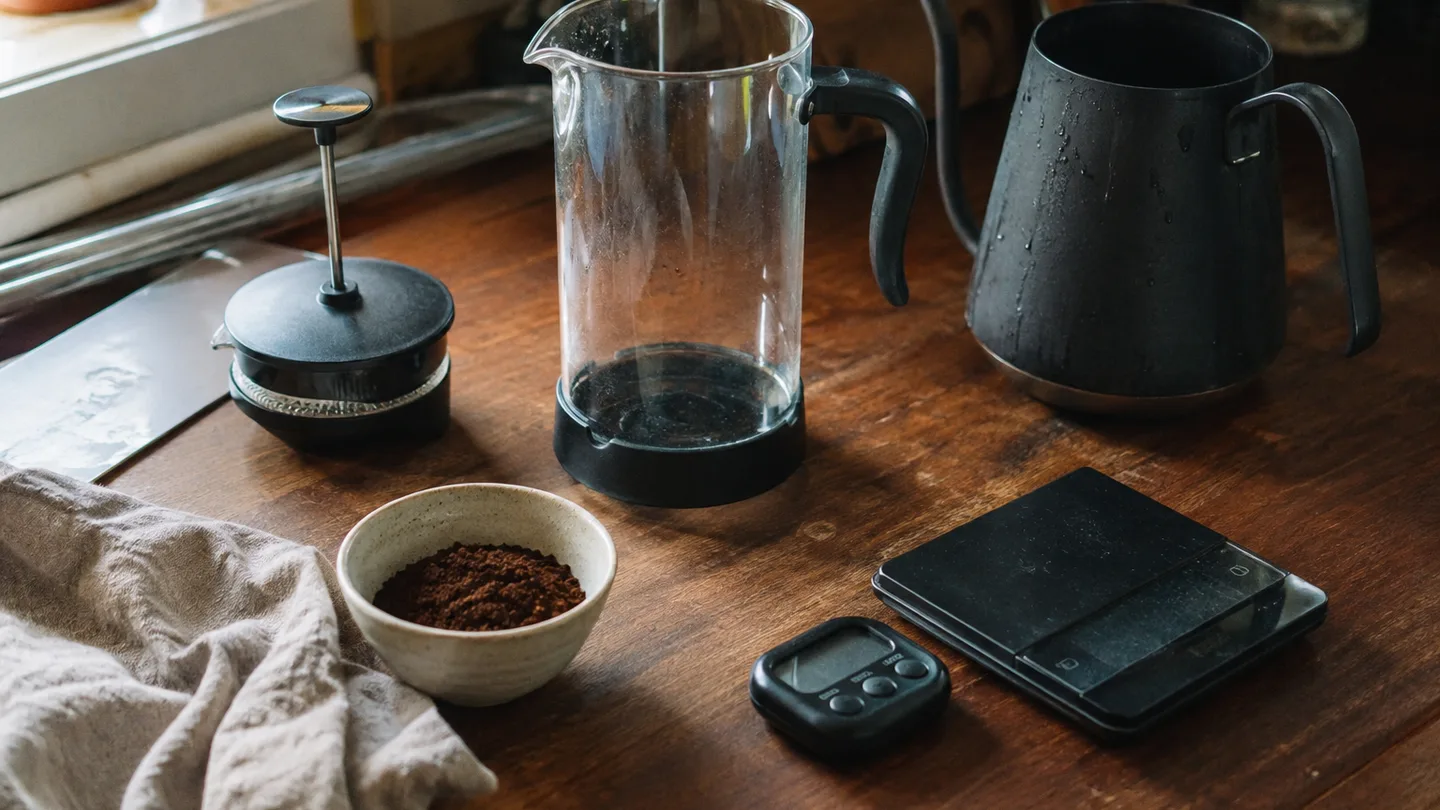
French Press Coffee How to Make in 6 Simple, Measured Steps
Learn french press coffee how to make with 30 g coffee, 500 g water, a four-minute steep, and measured fixes for sour, bitter, thin, or muddy cups.
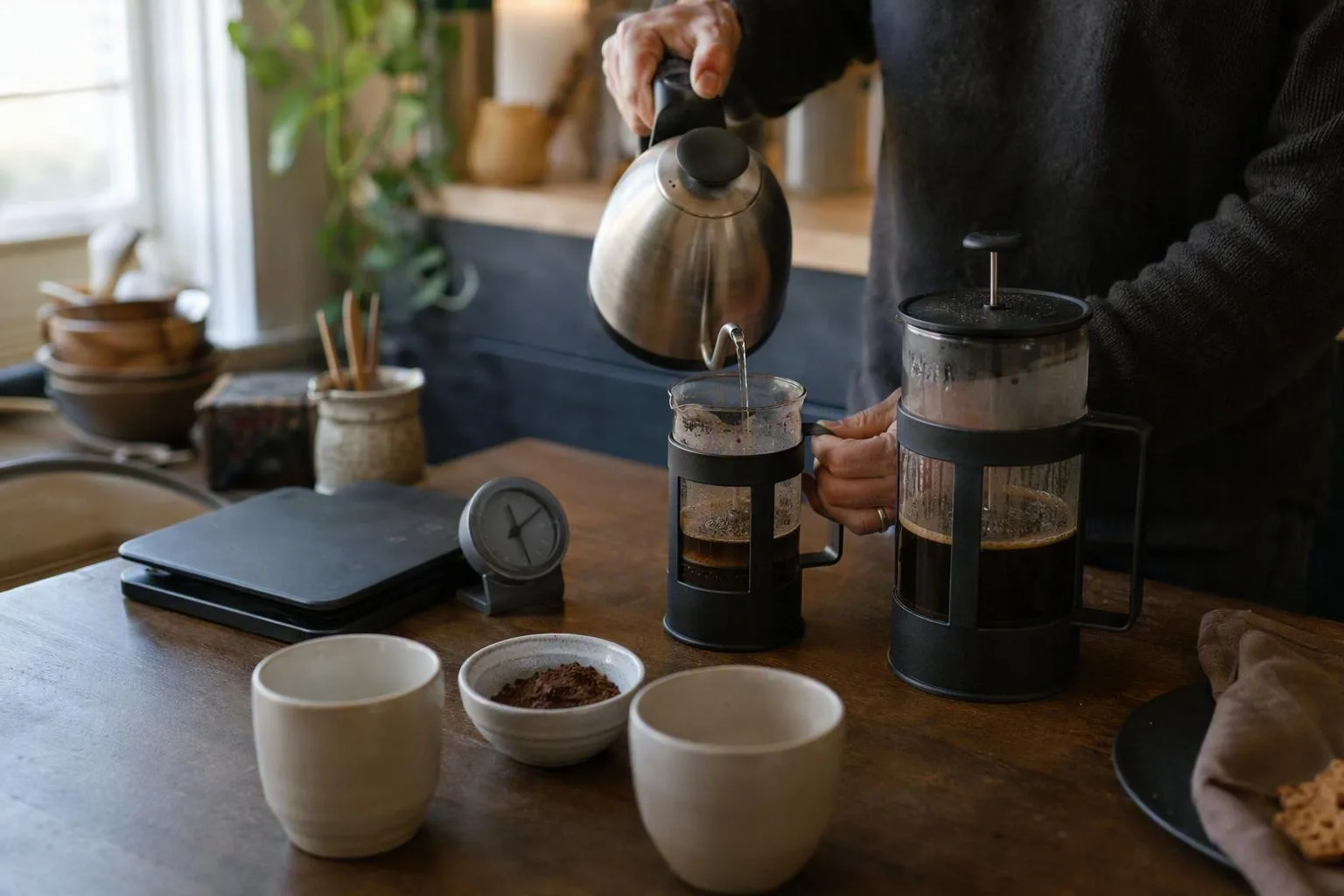
French Press Coffee Ratio: 1:15 or 1:17? Taste the Difference
Compare 1:15 and 1:17 French press coffee ratios with a controlled 30 g test, then fix sour, bitter, thin, or muddy cups by changing one dial at a tim
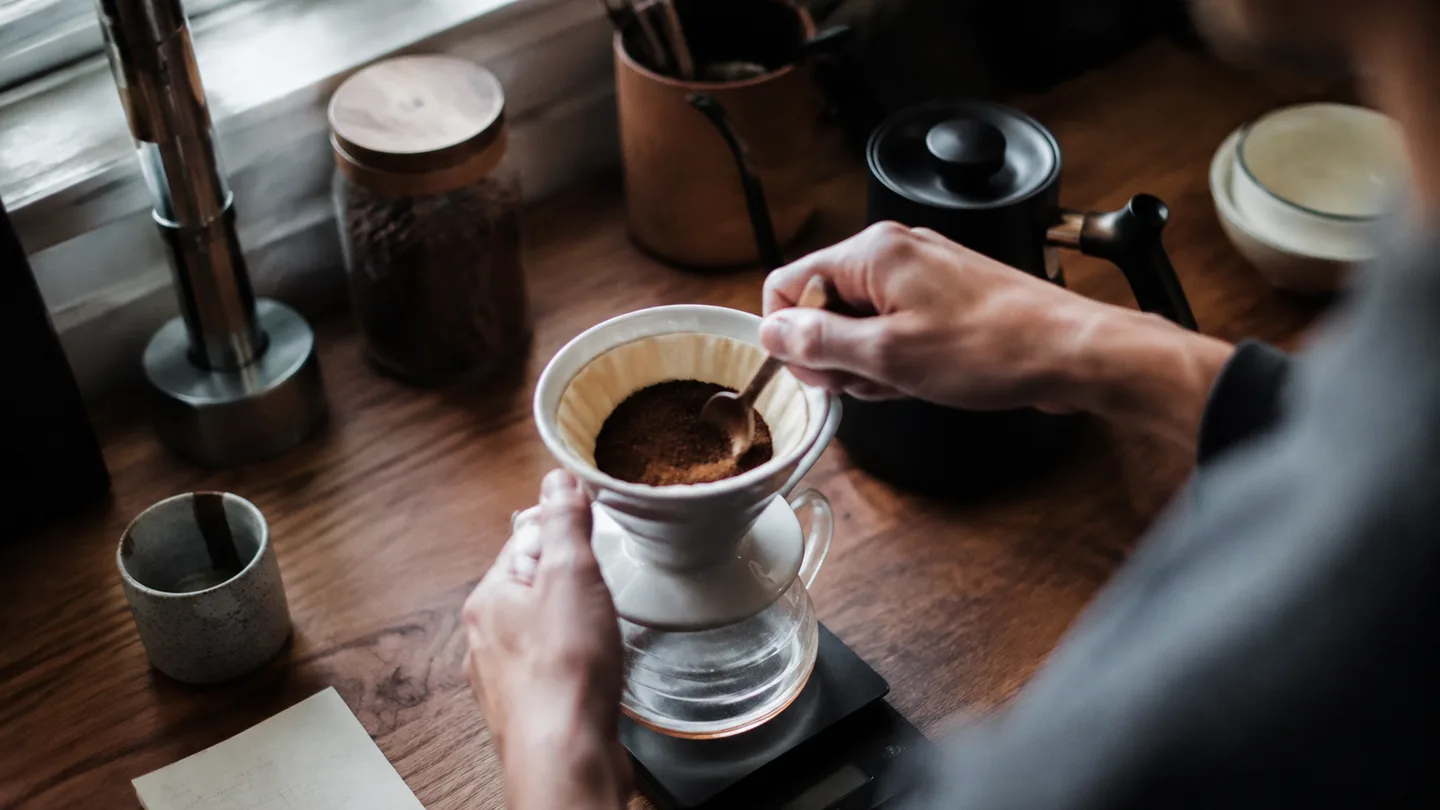
Pour Over Coffee Ratio: Start at 1:15, Then Adjust
Learn why 1:15 is the best pour over coffee starting ratio, then adjust grind, temperature, bloom, time, and water for a cleaner, stronger cup.
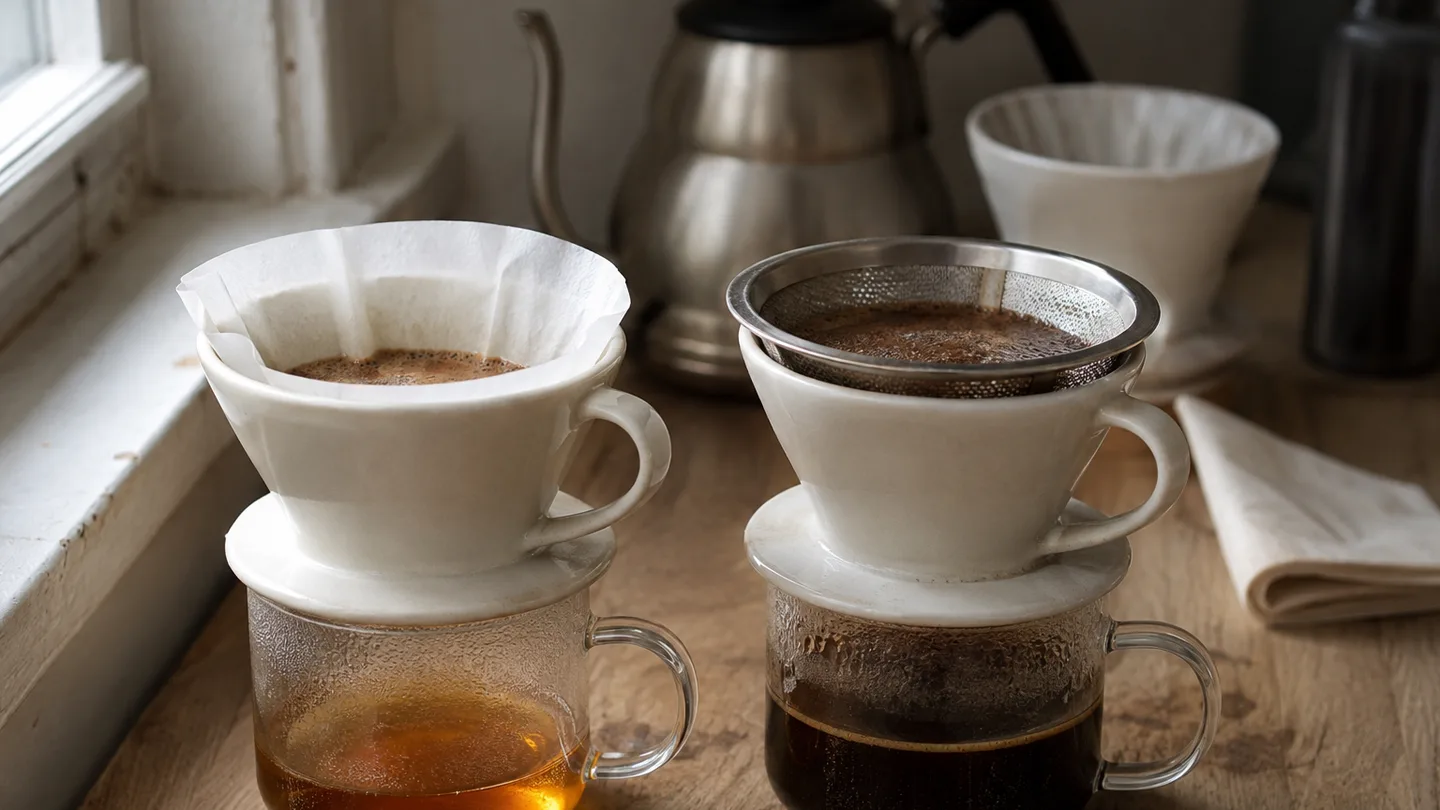
Pour Over Coffee Filter: Paper vs. Metal, Explained
Paper or metal for pour over coffee? Compare clarity, body, oils, fines, grind, recipes, drawdown, troubleshooting, and the right use case for each.
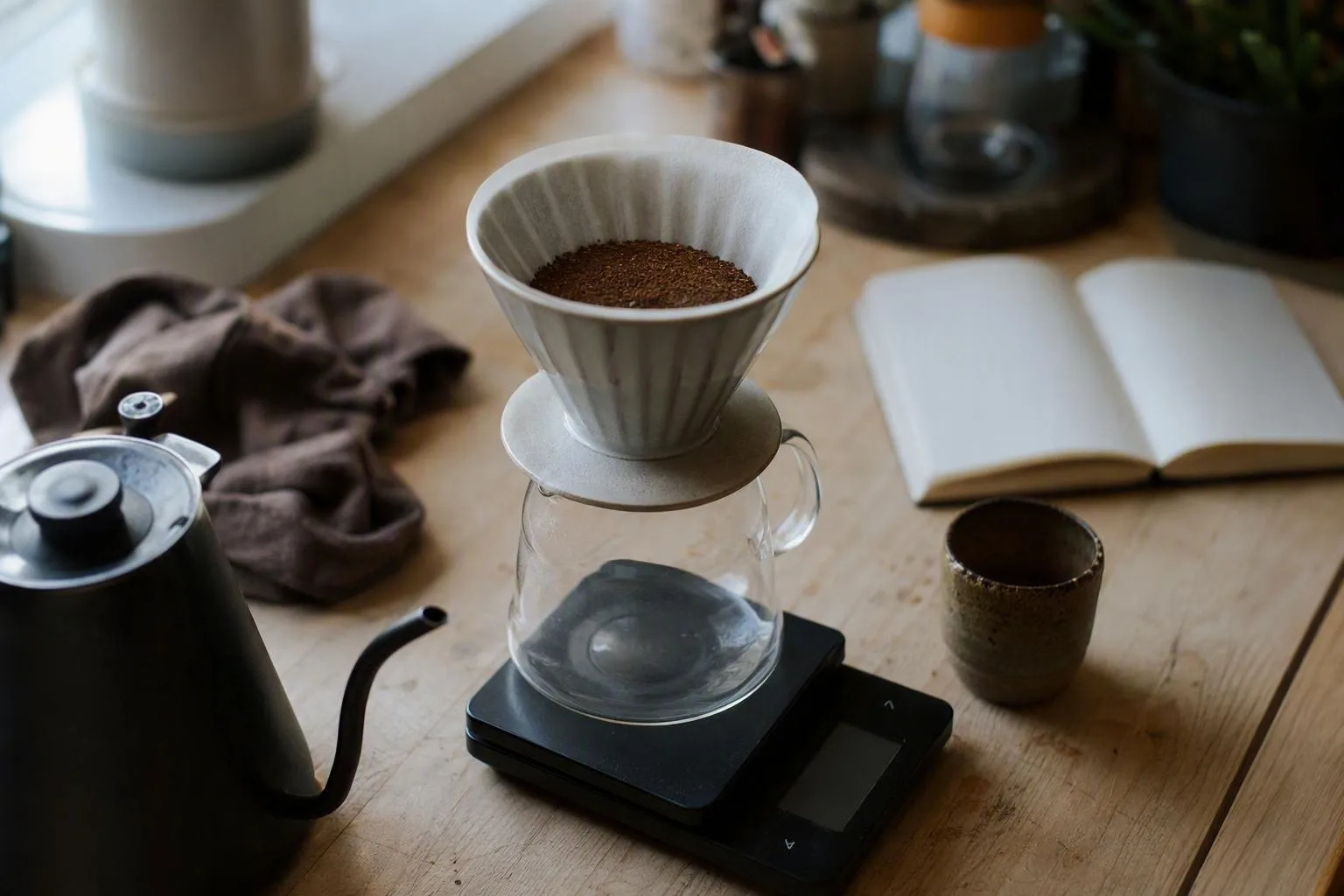
Pour Over Coffee Instructions: 1:15 Ratio, 30-Second Bloom
Follow pour over coffee instructions for a 1:15 recipe: 20 g coffee, a 30-second bloom, timed pours, drawdown targets, and one-change troubleshooting.
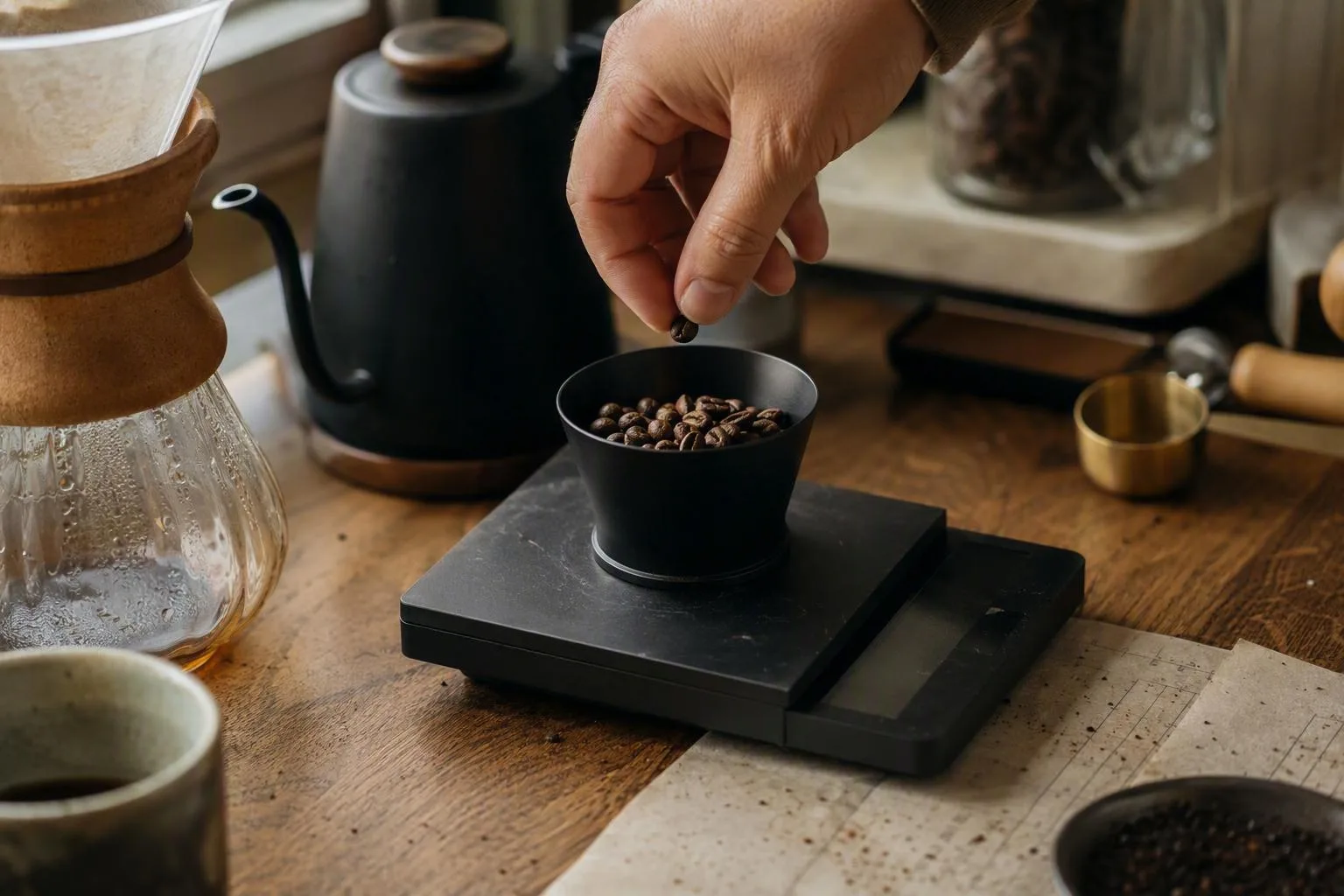
Pour Over Coffee Ratio: The 1:15 Rule and When to Break It
Use a 1:15 pour over coffee ratio as a baseline, then fix sour, bitter, or thin cups with grind size, temperature, agitation, and one controlled chang
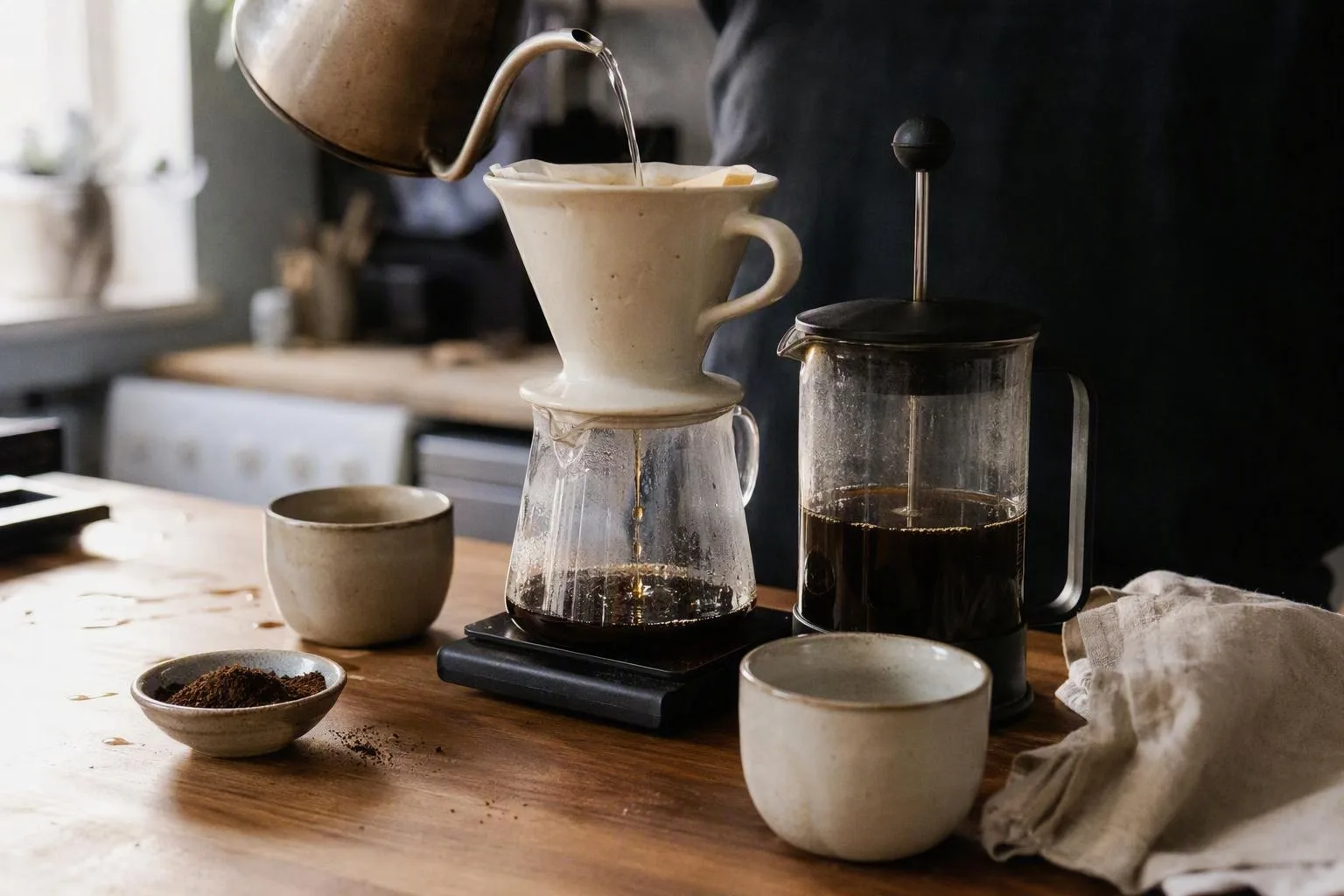
Pour Over Coffee vs French Press: Which Should You Choose?
Pour over coffee vs French press: compare clarity, body, ratios, grind size, filters, and consistency, then run a fair 20 g side-by-side test at home.
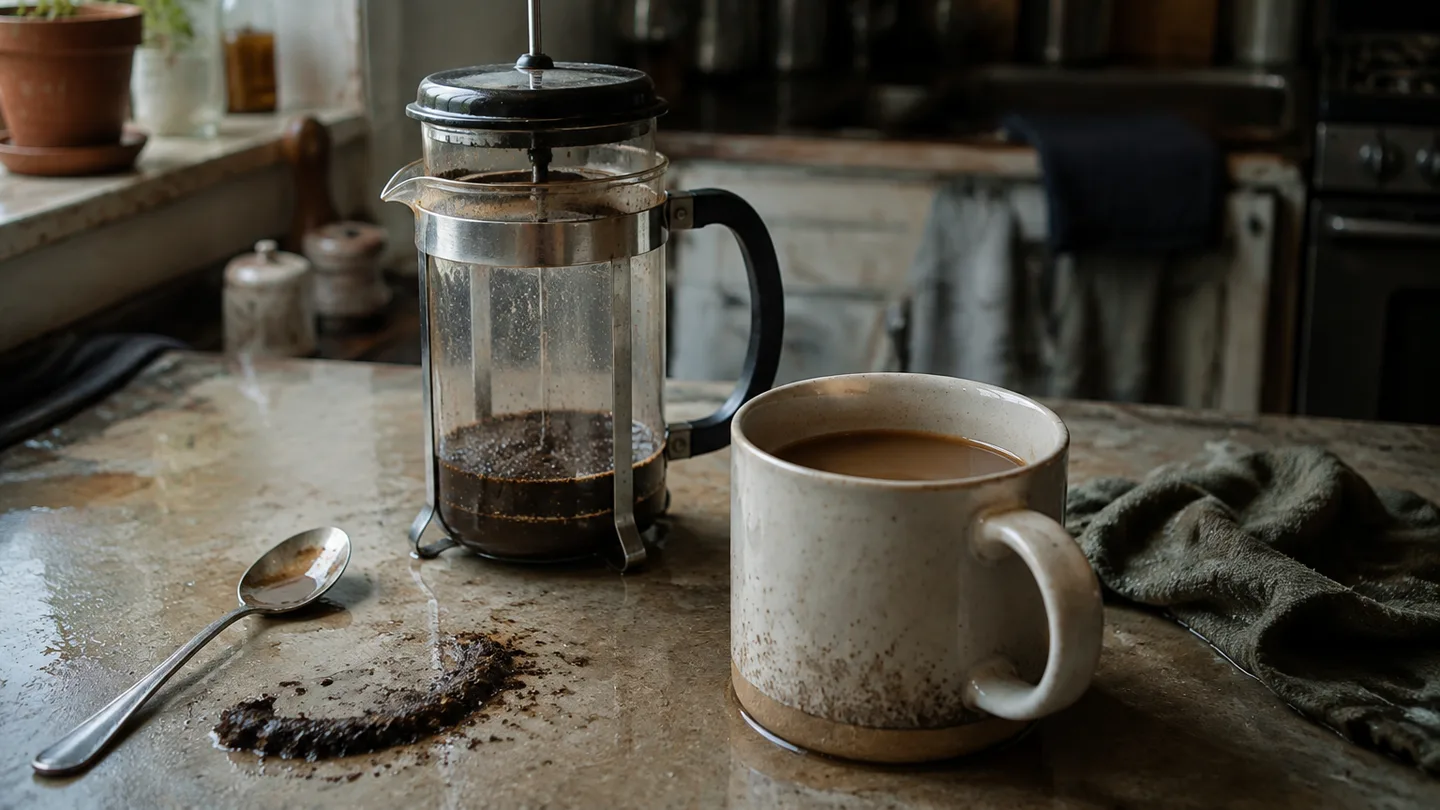
What Are the Disadvantages of a French Press? 5 Real Trade-Offs
What are the disadvantages of a French press coffee maker? Learn the trade-offs: sediment, muted clarity, delayed extraction, messy cleanup, and fixed
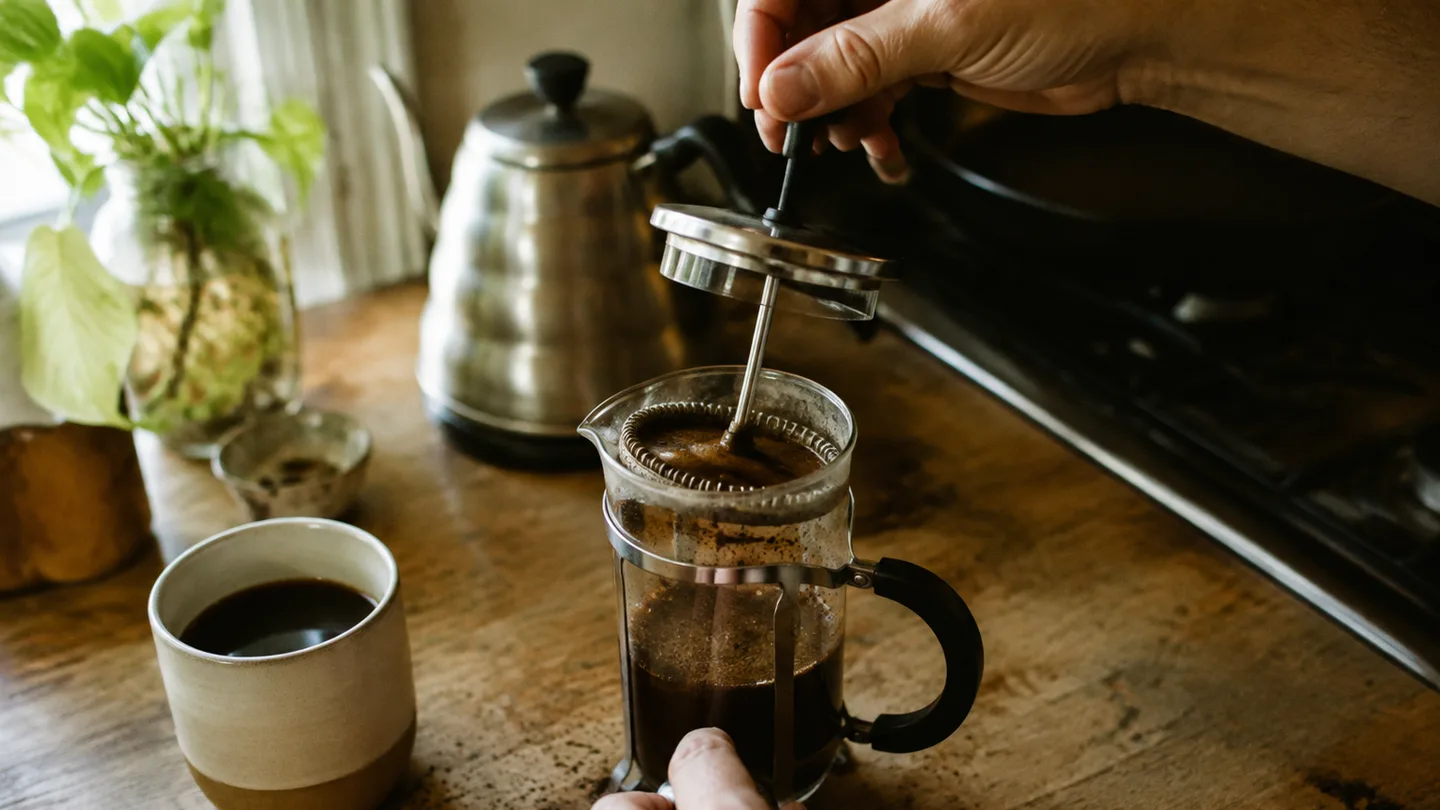
What Is Special About French Press Coffee? Full-Bodied Flavor
What is special about French press coffee? Learn how mesh filtration creates full body, how ratio and grind change extraction, and how to fix muddy cu